
16 Days in WA: Standing Together Against Family and Domestic Violence

In Australia, we have a long history of minimising the reality of family and domestic violence (FDV). Often, the subject feels too confronting or uncomfortable, and as a result, it goes unspoken. But silence allows violence to continue.
We know that people of all genders and sexual orientations can use violence in relationships. However, the majority of reported FDV in Australia is perpetrated by heterosexual men against heterosexual women. The statistics are harrowing. Research from Australia’s National Research Organisation for Women’s Safety (2018) shows that one in four women have experienced at least one incident of abuse from an intimate partner since age 15, and one woman is killed every week by a current or former partner.
In Western Australia, the situation is especially alarming. In 2024, 65% of recorded assaults were committed in the context of FDV, the highest rate among all states (ABS, 2024).
A recent longitudinal study from the Australian Institute of Family Studies (2025) found that one in three men aged 18–65 reported using intimate partner violence at some point in their lives. While confronting, the study also identified important protective factors: high levels of social support and strong relationships with a father figure reduced the likelihood of perpetrating violence.
It also showed that men experiencing moderate to severe depression were 62% more likely to use FDV than men without those symptoms.
These facts are not shared to label all men as dangerous. Most men do not use violence. Instead, these findings tell us that to keep women safe, we also need meaningful support, education, and intervention for men.
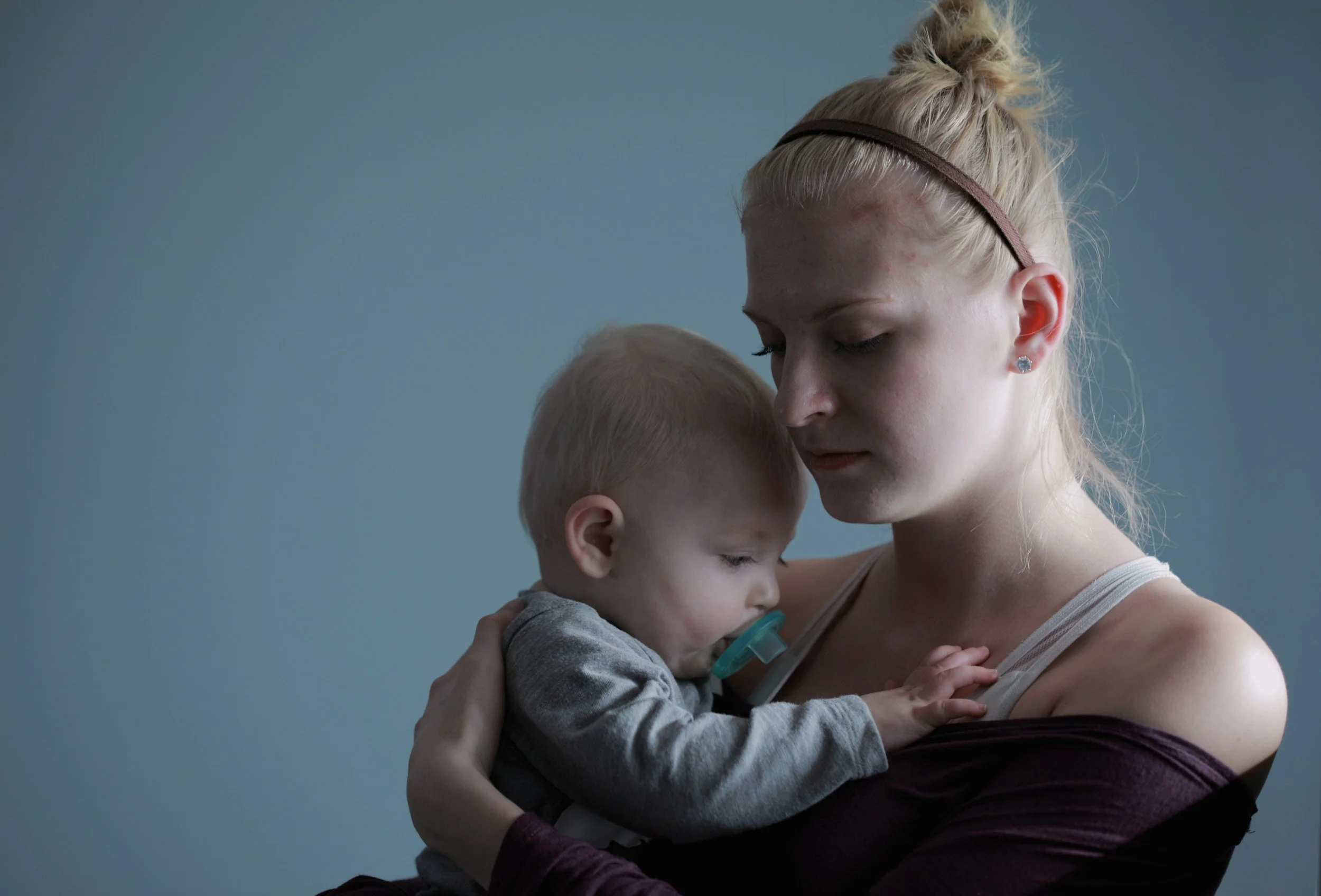
Leaving any relationship is a major life decision. Leaving an abusive one is even more complex and far more dangerous.
Why Language Matters
The words we use when talking about FDV shape how we understand responsibility and harm. Using phrases like “an FDV relationship” unintentionally shifts responsibility away from the person causing the harm.
Violence is a choice. A woman does not choose to be abused. A perpetrator chooses to use power, control, intimidation, and violence.
You may have heard the question: “Why doesn’t she just leave?” Leaving any relationship is a major life decision. Leaving an abusive one is even more complex and far more dangerous.
To safely leave, a person needs:
A secure place to live
Money for essentials
Confidence and self-worth
Social and emotional support from friends or family
Assurance that their children will be protected
Perpetrators of FDV often actively undermine all of these things. For many victim-survivors, staying is sometimes safer than leaving, and attempts to leave can escalate the violence dramatically.
She isn’t staying because she wants to. She is staying because he has made it unsafe to leave.

Definitions (Australian Institute of Health and Welfare, 2025)
Family and domestic violence (FDV):
Physical and/or sexual violence from a family member or intimate partner.
Intimate partner violence (IPV):
Violence perpetrated by a current or former partner, including dating partners.
Physical violence:
The occurrence, attempt, or threat of physical assault.
Sexual violence:
The occurrence, attempt, or threat of sexual assault; this may occur within FDV.
Emotional abuse:
Behaviours that control, manipulate, isolate, or intimidate with the intention of causing harm or fear.
Coercive control:
A pattern of behaviour, ongoing, repetitive, and cumulative, used to dominate another person. This may include emotional abuse, harassment, stalking, financial abuse, or technology-facilitated abuse. For more information, see the Power and Control Wheel below:
How to Be a Supportive Ally
If someone you know is experiencing FDV, your response can make a significant difference.
Listen and believe them. They may have chosen to tell only you.
Do not judge. Their decisions are shaped by safety concerns you may not see.
Avoid blaming them. The responsibility lies solely with the person choosing violent behaviour.
Don’t make excuses for the perpetrator. Violence is never acceptable.
Understand they may not be ready, or safe, to leave. Support their choices.
Remember that FDV isn’t only physical. Emotional and psychological abuse can be just as harmful.
Offer practical help. Transport, childcare, appointments, a safe place to stay.
Encourage professional support. Police, counsellors, helplines can help create a safety plan.
Look after yourself. Supporting someone through trauma can be emotionally draining.
For helplines and support services, please click below:
Guest Author: Vanessa McIntyre - Mental Health Clinician
References:
https://www.aihw.gov.au/family-domestic-and-sexual-violence/understanding-fdsv/what-is-fdsv#specific (2025)
https://www.anrows.org.au/ Australia’s National Research Organisation for Women’s Safety (ANROWS) is the country’s independent, trusted voice for reliable and informed evidence on domestic, family and sexual violence. (2025)
https://aifs.gov.au/tentomen/insights-report/use-intimate-partner-violence-among-australian-men Australian Institute of Family Studies (2025)
https://www.theduluthmodel.org/ Abuse Intervention Programs (n.d)
Disclaimer:
The information in this blog post is for general informational purposes only and is not a substitute for professional mental health advice, diagnosis, or treatment. For personalized guidance, please consult a licensed mental health professional.