
Sadly, our Victorian and New South Wales counterparts have been hit hard with increasing daily statistics of COVID-19 cases leading to increased and necessary restrictions and lock-downs. In Western Australia, we are reminded daily of the importance of continuing to social distance and maintain our hygiene standards.
Whether you find yourself in lock-down or not, staying connected is important for our mental health and well-being.
When we think of someone who is lonely, we tend to think of aged people isolated in nursing homes or living alone in the community. Although there’s some truth in this assumption, loneliness can be experienced by anyone at any age whether old or young.
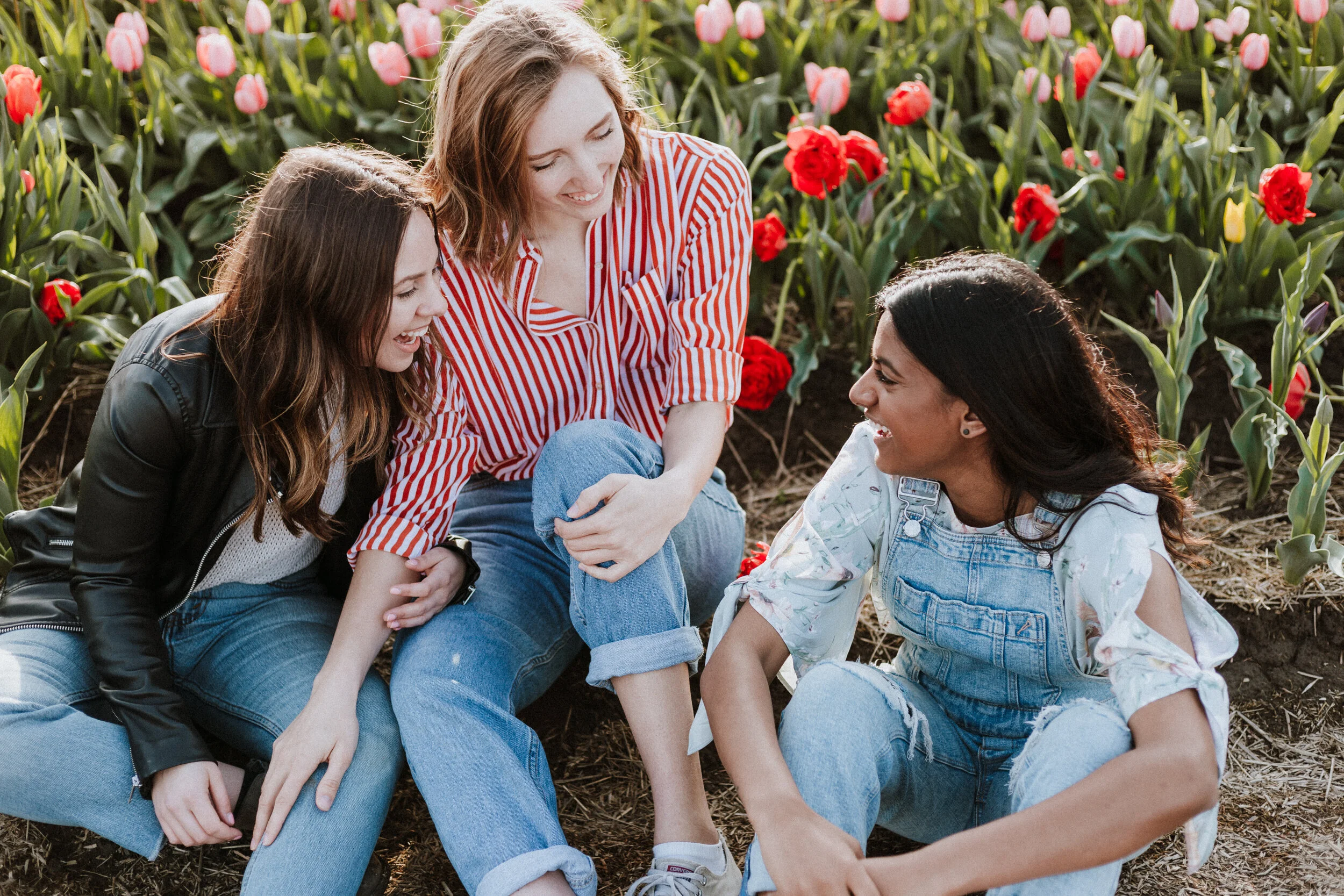
Loneliness is about connection, of not belonging. Being connected and feeling connected is important to us as individuals and social beings. This doesn’t mean that we must be connected to everything. It may be to another person, a friend, partner or family member. It may be a group via an interest, hobby, sport or spiritual belief. Or it could be a place, somewhere we feel connected too.
For some, being isolated due to location such as living on a farm or remote part of the country, may not feel lonely if they have a sense of connection within their community. For others, isolation brings disconnection which can lead to loneliness.
For some, living in a populated environment such as a town or city can be lonely if they don’t feel a sense of connection. Being surrounded by other people can highlight one’s own sense of loneliness.
So, what can we do to challenge and make change of our sense of being lonely?
Here are four suggestions:
1. Volunteering
There are so many different ways to volunteer our time, knowledge, skills and resources. Volunteering can give us a sense of purpose, a sense of giving while in return we get something back, feeling good and connected. If you are in lock-down due to COVID-19 there are still volunteering opportunities available online or via telephone. Contact Volunteering Australia if this is something you’d like to explore in your home state.
2. Sport Clubs
Whatever your sport, be it AFL, lawn balls, golf or swimming, there is generally a local club looking for members. A great way to stay fit, healthy, contribute and connect. You don’t have to be sporty either as so many tasks are done behind the scenes. Check with your local sporting clubs to see what’s on offer to their members and check their current COVID-19 restrictions.
3. Hobbies
There are lots of hobbies that people have, and this is a great way to make connections with like-minded people. You might pick up some new tips or you may inspire another person to develop their hobby. Having a hobby in common is a great step in making a connection and like volunteering, there are many opportunities online to learn something new. Remember to always check your online source is trustworthy.
4. Being Visible
When we go out into the community, the local farmers market, a local café, regular fuel station or the library on a regular basis, we become familiar. The person serving us might get to know our name and us theirs. A short chat at the counter, being asked how you are, all seem small things, but they add up. This familiarity can then give us a sense of connection to our local community.
The local papers, volunteering organisations, and your local Shire are all good places to start with if you are wondering where to look for information. If you are worried about cost, many activates are free or offered at a reduced price for seniors, pensioners and students. So don’t let your age, finances, or worry get in the way.
Remember when you go somewhere to start something new, it may take more than once to feel the connection. Going once, is the first step, going twice is the movement forward as you become familiar to others and others to you. Over time you will feel more comfortable and interaction will increase. Be open-minded and give it a go!
You only need one connection to not feel lonely since it’s about the depth not the number of connections. Your connection to someone else, maybe also be the connection that helps them begin to have a sense of belonging.
If you or someone you know could use some support, please contact us to enquire about our counselling appointment options.
Author: Penny Tucker (Mental Health Clinician)
Date: October 2020