
Barefoot Therapy: Grounding Your Body, Calming Your Mind
Earthing, or “Grounding,” is a simple, natural, and cost‑free practice that involves the body being in direct contact with the Earth, most commonly by walking barefoot, to support physical and emotional wellbeing. Although the practice is ancient and simple, Earthing is now backed by a growing body of research suggesting benefits such as reduced pain and inflammation, improved nervous system regulation, faster recovery, and decreased stress and anxiety.
Additionally, because mind and body are deeply interconnected, incorporating Earthing into treatment may enhance therapeutic outcomes. When included in a client’s treatment plan or coping strategies, it promotes self‑agency and empowers individuals to take an active role in their healing through a gentle, accessible, natural self‑care practice.

photo cred: unsplash @benita_anand
What Is Earthing?
Earthing is based on the idea that the Earth carries a natural negative electric charge, which enters and charges up the body when direct skin contact occurs, like a battery. Earthing allows the body to absorb the earth’s free energy, helping to reduce pain, inflammation and restore mind and body balance.
Historically, humans have spent nearly all of history in continual contact with the ground, walking barefoot, sleeping on natural surfaces, and relying on the Earth as part of daily life. Only in the modern era have we insulated ourselves with synthetic floors, rubber‑soled shoes, high‑rise living, and digitally mediated lifestyles that keep us physically disconnected from nature. Earthing, in essence, is a way of reconnecting with something our biology has always expected and relies on for resilient mental, emotional and physical health.
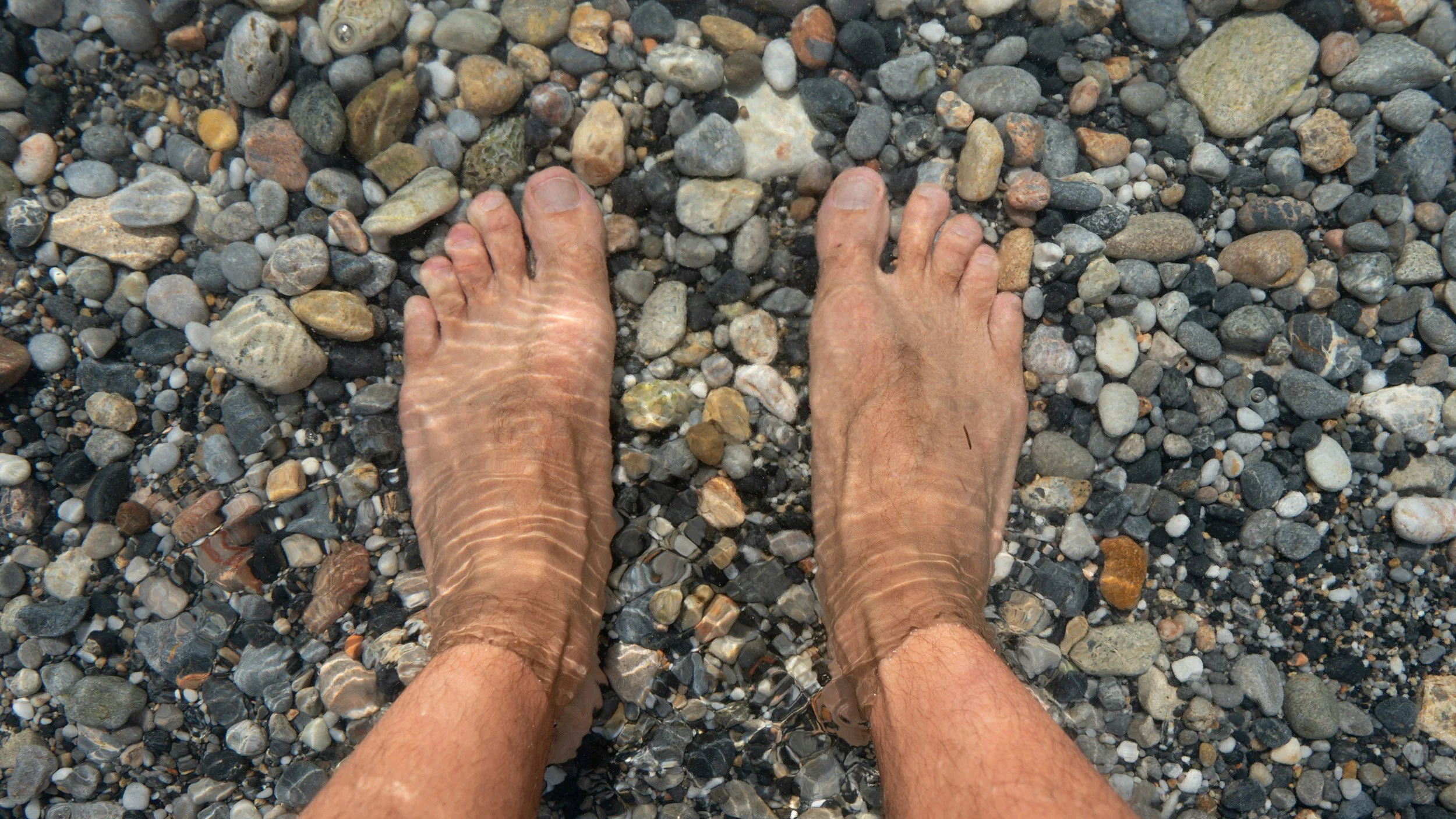
Earthing allows the body to absorb the earth’s free energy, helping to reduce pain, inflammation and restore mind and body balance
photo cred: unsplash.com/@mroli3000
Mind & Body Benefits: What the Science Suggests
Though research is still developing, early studies and pilot trials suggest meaningful physiological effects. Reported benefits include:
Reductions in inflammation
Lowered pain levels
Improved sleep quality
Enhanced autonomic nervous system balance
Decreased cortisol levels
Improved recovery from stress and fatigue
Research suggests that daily Earthing can quickly reduce inflammation and improve overall wellbeing. It may help calm the autonomic nervous system by activating parasympathetic pathways, easing symptoms of stress, anxiety, trauma responses, and emotional dysregulation.
Many people report feeling more relaxed and grounded after just 10–20 minutes. Grounding has also been linked to lower cortisol levels, which may support conditions like insomnia, burnout, and mood disorders.
For those with trauma histories, Earthing offers a gentle way to build safety and reconnect with the body through sensory contact with natural surfaces.
Additionally, the theory that Earth’s free electrons help neutralize free radicals’ points to potential benefits for mental health conditions influenced by inflammation.
The Earthing Movie
The documentary The Earthing Movie: The Remarkable Science of Grounding offers a compelling, accessible overview of this practice, linking scientific explanations with lived experience. It showcases individuals who have experienced significant reductions in pain, stress, insomnia, and emotional dysregulation using Earthing as part of their healing process.
These stories may feel familiar: people whose symptoms resist conventional treatments, individuals living with chronic stress or trauma, or navigating painful mind–body conditions. Seeing these examples can be validating and may inspire curiosity about clinicians incorporating simple grounding practices into their treatment planning.

Earthing is based on the idea that contact with natural surfaces (like grass, sand, or soil) can help support a calmer nervous system.
The experience itself is simple and intuitive.
Using Earthing as a Self‑Support Tool
Earthing (also called grounding) is a simple practice you can explore on your own, at your own pace. It doesn’t require special equipment or a clinician present, just curiosity and a willingness to notice how your body responds.
Understanding the Basics
Earthing is based on the idea that contact with natural surfaces (like grass, sand, or soil) can help support a calmer nervous system. Learning a little about how stress affects the body can make these practices feel more meaningful, but the experience itself is simple and intuitive.
Easy Practices You Can Try
Many people start with small, everyday moments, such as:
Walking barefoot on grass or sand for 5–10 minutes
Sitting outside with your feet on the ground
Lying on the earth during moments of overwhelm
Beginning the day with a short grounding practice to help set a steady tone
You might gently notice any changes in your mood, stress levels, sleep, or body sensations, without needing to “get it right.”
A Gentle Way to Feel More Present
Earthing can be especially helpful if traditional mindfulness or grounding feels difficult. It offers a soft, body‑based way to reconnect with the present moment, without needing intense focus or effort.
For people experiencing stress, anxiety, burnout, or low mood, Earthing can become one small but supportive part of daily self‑care. Some people choose to explore it independently, while others may also discuss it with a mental health professional as part of a broader wellbeing plan.
Simple, Accessible, and Empowering
In a world where self‑care can feel complicated or overwhelming, Earthing stands out for its simplicity. It’s a reminder that powerful support can come from reconnecting with what is natural, available, and already beneath your feet.
The author of this piece Brooklyn Hadfield has extensive experience using Earthing as a practical, nervous‑system‑informed wellbeing tool and understands how to tailor it to suit individual needs and sensitivities. If you’re curious about how to use Earthing more intentionally, or would like guidance on incorporating it into your own self‑care or mental health journey, Brooklyn can assist.
To explore how this approach could support you personally, we encourage you to reach out to our team below.
Guest Author: Brooklyn Hadfield - Mental Health Clinician
References:
Disclaimer:
The information in this blog post is for general informational purposes only and is not a substitute for professional mental health advice, diagnosis, or treatment. For personalized guidance, please consult a licensed mental health professional.